
Direct or through a broker? Options for managing your Hazardous Waste Program
The hardest part of hazardous waste management is often not moving the waste.
It’s knowing what needs to happen before the waste leaves your site.
Every waste stream requires decisions about assessment, treatment and documentation. Businesses can manage that process directly with a licensed treatment operator, or work through a waste broker who coordinates the program on their behalf.
Both approaches are well established across the industry. The right choice depends on how your business operates, the complexity of your waste types and streams, and how much of the process you want your own team to manage.
The treatment requirements do not change between the two models. What changes is who manages the coordination.
| Working Directly | Working Through a Broker | |
|---|---|---|
| Primary relationship | Direct with treatment operator | With broker coordinating the program |
| Technical discussions | Direct with treatment team | Coordinated through the broker |
| Waste coordination | Managed by your team | Managed by the broker |
Working Directly With a Treatment Operator
Working directly gives your business a close relationship with the people assessing, treating, documenting and disposing of the waste.
This approach often works well for businesses that:
Require specialist hazardous waste advice
Generate multiple hazardous waste streams that need specialist assessment or treatment
Want direct communication with the people responsible for managing the waste
Prefer to work directly with the operator responsible for the treatment process
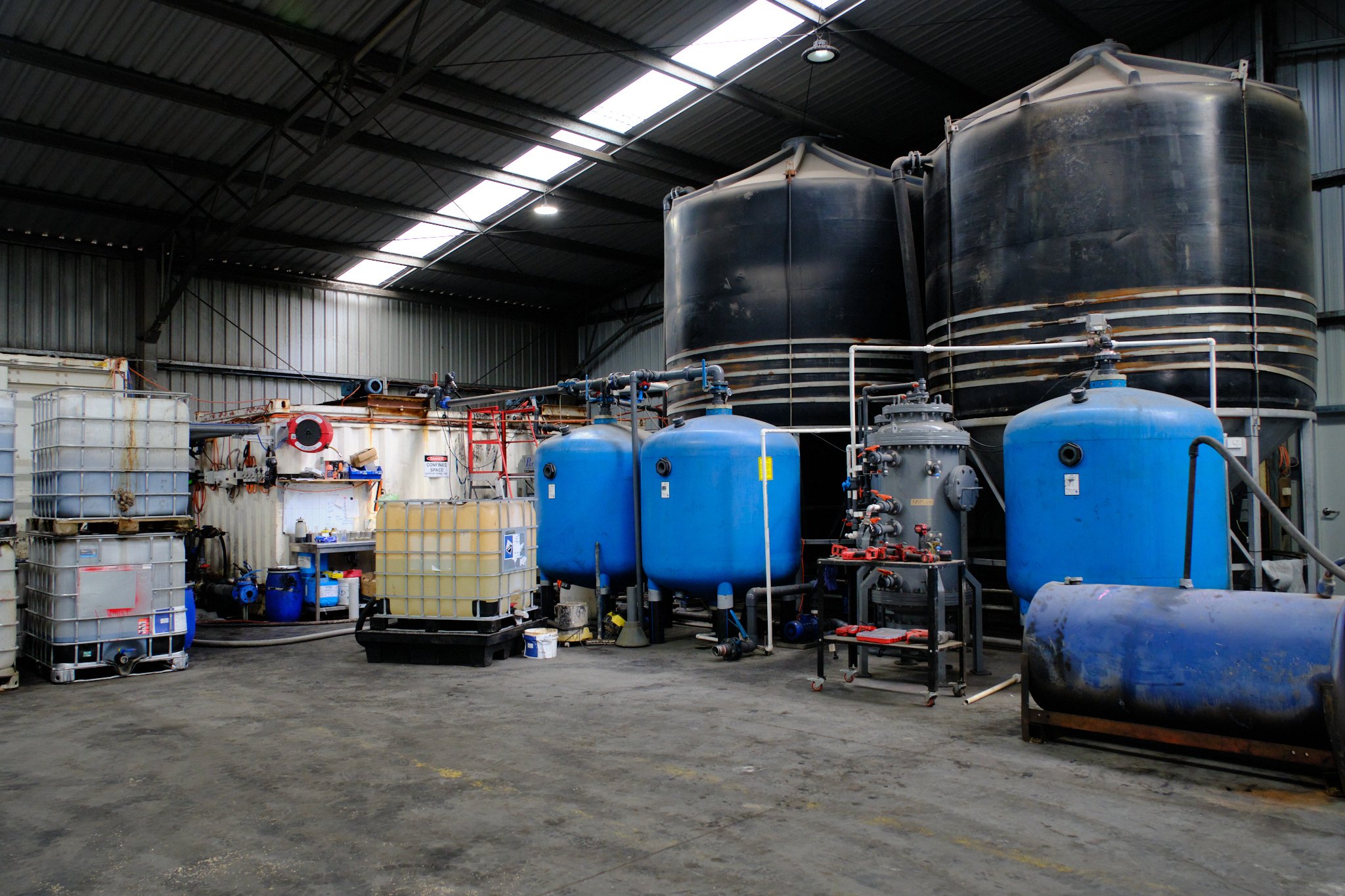
A specialist treatment operator can often manage multiple hazardous waste streams generated by the same business. At CleanEra, for example, we can assess different waste streams from the same business, then handle the treatment and disposal of each according to its specific requirements.
Working Through a Waste Broker
A broker coordinates the waste program on your behalf, bringing together transport, treatment and administration through a single point of contact.
This approach often works well for businesses that:
Operate across multiple regions
Generate a wide range of waste types, including non-hazardous waste, recyclables, and general solid waste
Would rather not manage several specialist providers individually
This is where a waste broker can really add value. When the challenge shifts from managing multiple hazardous waste streams to coordinating different types of waste and the specialist providers they require.
Where CleanEra Fits
A waste program is only as strong as the treatment capability behind it. However well the coordination is handled — directly or through a broker — the outcome depends on whether the waste reaches a facility that understands what it is and how it needs to be treated.
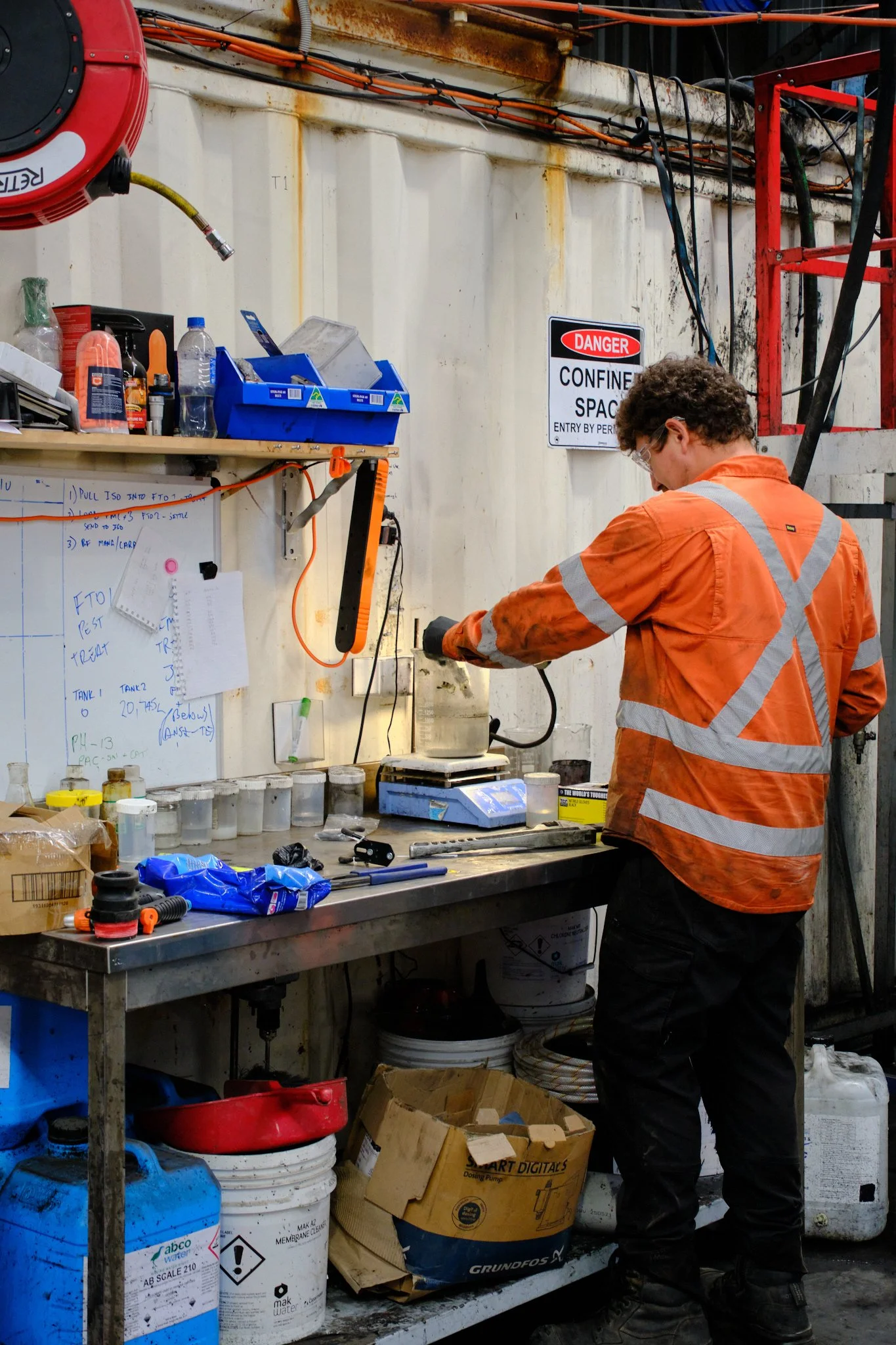
We operate our own EPA-licensed treatment facility at Mount Thorley in the Hunter Valley. Businesses that work directly with CleanEra have a direct relationship with the team responsible for assessing and treating their waste. Our in-house chemists determine the appropriate treatment pathway based on the characteristics of the material, with transport, tracking and compliance documentation managed as part of the process.
CleanEra also works closely with waste brokers managing broader waste programs. A broker's reputation rests on what happens after the truck leaves — whether the material gets treated properly, on time, with the paperwork to prove it — and good brokers are selective about who they put behind their programs. That’s the role CleanEra plays: providing the specialist treatment capability brokers can rely on when coordinating waste programs for their customers.
Regardless of how a business reaches CleanEra, the standard remains the same: the same technical team, the same Mount Thorley facility and the same approach to assessment, treatment and documentation.
Choosing the Right Pathway
There is no single model that suits every business.
The right pathway is the one that fits how your business operates and gives you confidence that your waste is understood, the treatment approach is appropriate, and the outcome is properly documented.
For some businesses, that means a direct relationship with a treatment operator. For others, a broker may make more sense when multiple waste types, providers or regions need to be coordinated.
Want straight answers about what's actually needed for your waste? Talk to a CleanEra waste specialist - no obligation, just honest advice from people who deal with this stuff every day.
