
Why Hazardous Waste Quotes Vary So Widely (And What Low Prices Often Exclude)
Three quotes for your chemical waste: $2,800, $5,200, $7,500. Same drums, all licensed operators, all promising to "handle it properly." What's actually different?
If you're in procurement or running a site, you know the pressure to pick the cheapest option. But with hazardous waste in NSW, cheap quotes may come with expensive surprises - misclassified waste, rejected loads, surcharges nobody mentioned. And when the EPA comes knocking, you're the one wearing it, not the operator who gave you the low number.
Let's break down what actually drives pricing and what you should be asking before you sign off.
Understanding the NSW Compliance Framework
In NSW, hazardous waste is tightly regulated by the EPA, and compliance obligations sit with both the waste generator and the contractor. That includes correct classification, approved transport, and lawful disposal.
The EPA has broad enforcement powers. Maximum penalties can reach $10 million for corporations and $240,000 per day for continuing offences. They can also issue clean-up notices, suspend licences, take legal action, and publicly identify non-compliant operators.
In practice, this means every legitimate operator must work within a controlled system. That includes EPA-licensed transport, dangerous goods compliance where required, and use of the NSW waste tracking system.
These requirements are not optional extras. They form part of the baseline cost of handling hazardous waste properly in NSW. When a quote looks unusually low, it is worth understanding what assumptions have been made about compliance, classification, or transport requirements, because that is often where costs change later.
What Actually Drives Pricing
Waste disposal pricing isn’t arbitrary. It comes down to a few key factors that build on each other. If one thing changes, the final price usually changes with it.
1. Waste Classification and Testing
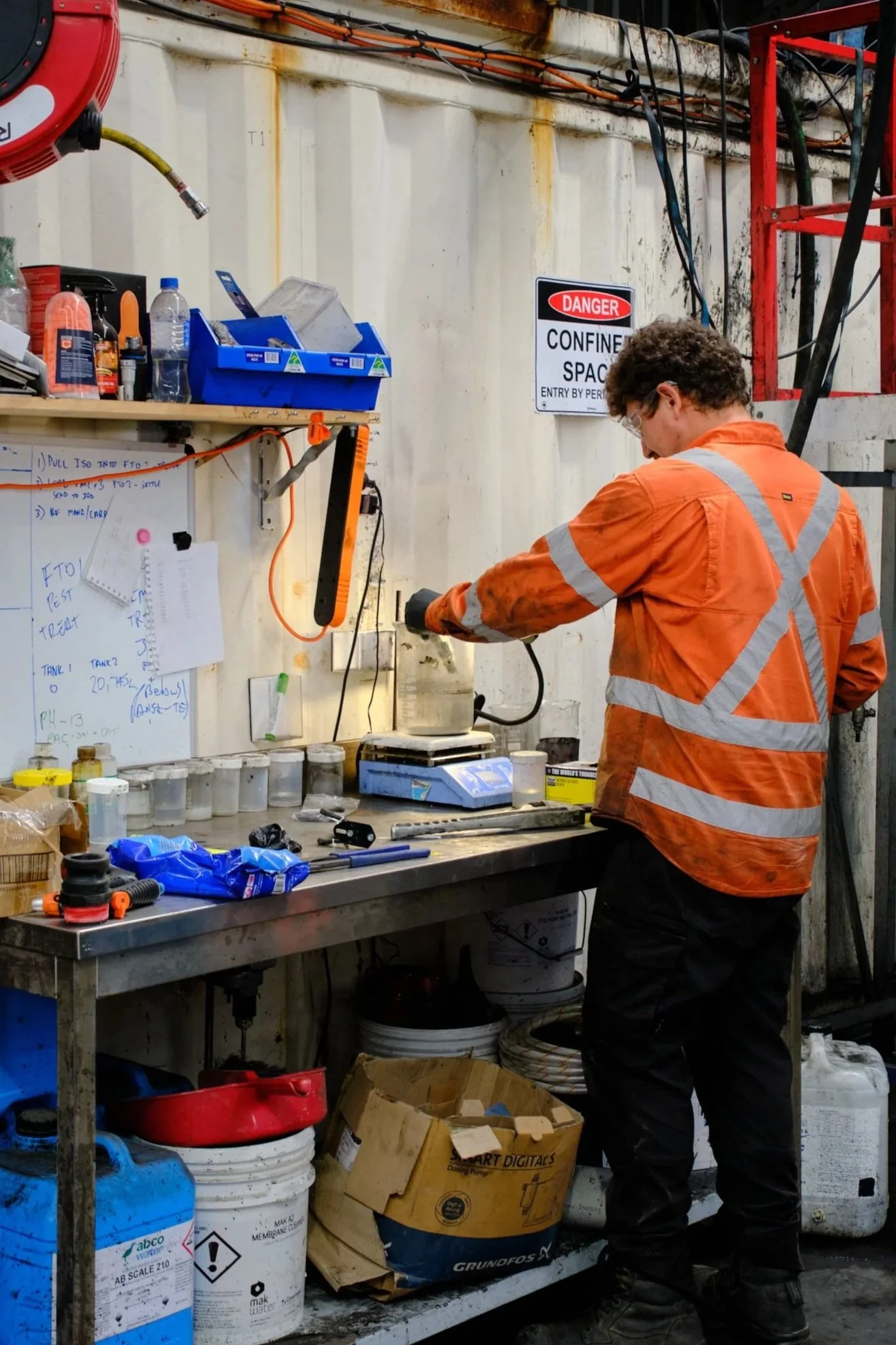
Everything starts with what the waste actually is. Classification determines where it can go, how it must be treated, and what it will cost.
Most quotes are based on the information provided at the start by the waste generator. If the material turns out to be different once it’s inspected at the facility, it may need to be reclassified. That’s usually where additional costs come in.
If there’s uncertainty about the waste, a chemist review can help narrow down what actually needs testing, which can save money and avoid over-testing.
When comparing quotes, it’s worth checking whether the price is based on confirmed classification, or just an estimate that could change once the waste is checked properly.
2. Treatment Method and Technology
Once the waste is properly classified, the treatment method becomes one of the biggest cost drivers.
This is also where lower quotes can sometimes fall over. A quote might assume landfill, when in reality the waste needs chemical treatment, stabilisation, or destruction at a specialist facility.
Depending on the classification, treatment might include:
Physical or chemical treatment
Immobilisation or solidification
Advanced Oxidation Process (AOP)
High-temperature incineration
Landfill
Each pathway has very different cost structures. The difference between them can easily add thousands of dollars.
When reviewing a quote, ask what treatment method has been allowed for, and why it is appropriate for the waste classification.
3. Licensed Transport and Facility Control
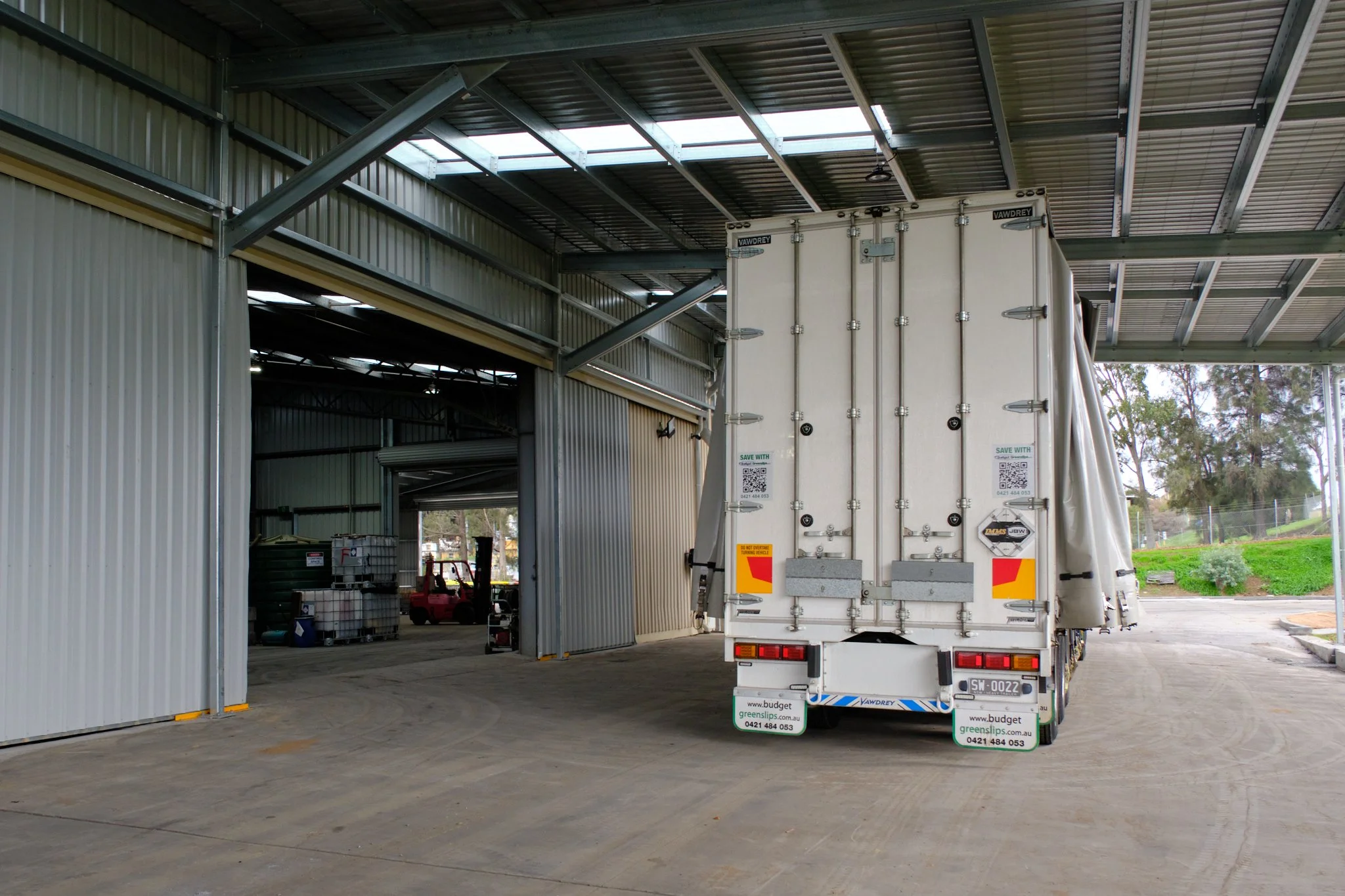
In NSW, hazardous waste transport must be carried out by licensed operators. Some materials also need specialised packaging, dangerous goods compliance, or specific handling procedures. All of that adds to the overall cost.
Another major factor is whether the provider controls the receiving facility.
Where a company owns or operates the treatment facility, there’s usually more control over pricing and scheduling. It reduces reliance on third-party gate fees and subcontractor margins, which can make pricing more consistent.
Where multiple external facilities are involved, pricing tends to vary more because each step adds its own cost structure.
When comparing quotes, it’s worth asking whether the provider is managing the full process or relying on external facilities.
The CleanEra Approach to Transparent Pricing
At CleanEra, we operate our own EPA-licensed treatment facility at Mount Thorley. This allows us to manage assessment, treatment, and disposal in-house, rather than passing the process between multiple parties.
Chemist-led assessment before quoting - Our in-house chemists review the available information before preparing a quote. If we need to inspect the waste or carry out testing, we identify that upfront so it’s included in the scope. The aim is simple: reduce surprises later on.
Testing included where required - If SCC/TCLP testing or more specialised PFAS analysis is needed, we work that out during the assessment stage and include it in the pricing so it’s clear from the start.
Treatment matched to the waste - Our Mount Thorley facility is licensed for a range of treatment options, including Advanced Oxidation Process (AOP), chemical treatment, and physical treatment processes. The treatment selected is based on what the waste actually requires, not just the cheapest possible pathway.
Compliance documentation handled properly - Waste tracking, transport records, certificates, and EPA documentation are all managed as part of the job. That way, the paperwork is complete and ready if it’s ever needed for audit or reporting.
This approach requires investment in qualified staff, infrastructure, and proper assessment up front. But in return, it reduces uncertainty by aligning classification, treatment, and disposal from the start.
How to Compare Quotes Properly
When you’re looking at different waste disposal quotes, these are the key questions worth asking:
1. What's the total delivered cost, including testing, transport, treatment, and paperwork?
2. What treatment method has been allowed for, and is it required for the classification?
3. Are you aware of who carries the cost if waste turns out to be different from what was originally described and quoted?
4. Are transport and facility licences current and verifiable through the NSW EPA?
5. Who will you actually talk to? is your contact someone who actually knows your waste, or are you going through account managers?
If one quote is much cheaper than the others, it usually comes down to assumptions about one or more of those factors. The key is to understand those assumptions before making a decision.
In this industry, certainty comes from knowing exactly what you’re dealing with. The more clarity upfront, the fewer surprises later.
Want straight answers about what's actually needed for your waste? Talk to a CleanEra waste specialist - no obligation, just honest advice from people who deal with this stuff every day.
