
Treatment Types
The chemistry that protects what matters
From people and places to animals and waterways, our treatments are chosen with the wider environment in mind.
Chemical separation
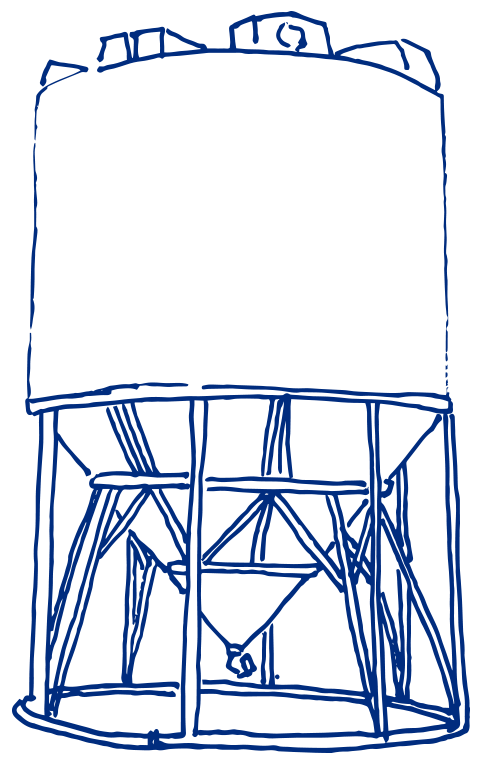
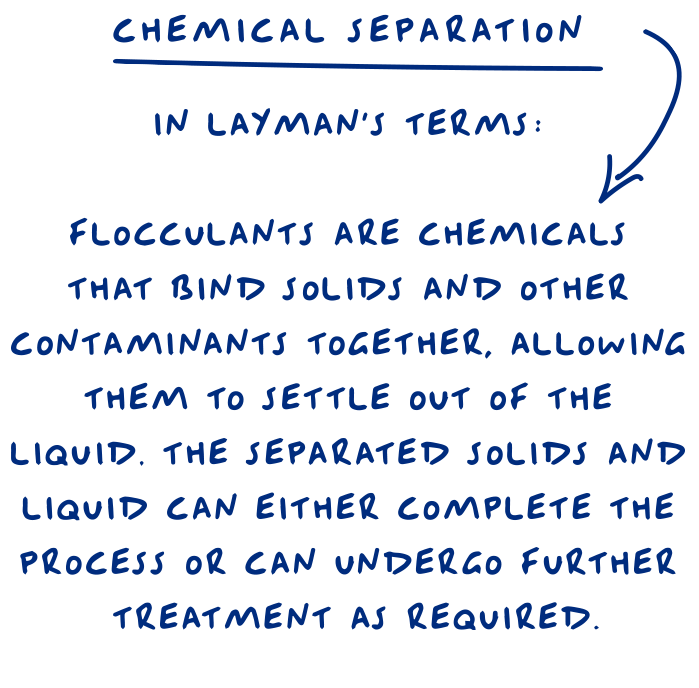
Chemical separation uses coagulants and flocculants to bring contaminants together, forming larger particles known as flocs. These particles settle within a treatment tank as concentrated sludge, separating them from the liquid and allowing the clarified water to undergo further treatment or, where appropriate, be discharged.
The contaminant-rich sludge is removed for further treatment, recovery or disposal. Chemical separation is commonly used for waste streams where contaminants can be precipitated, captured or settled out of the liquid. Waste streams that can be treatment include:
Dissolved or suspended solids
Heavy metals
Oils and hydrocarbons
Paints, pigments and industrial residues
Physical separation
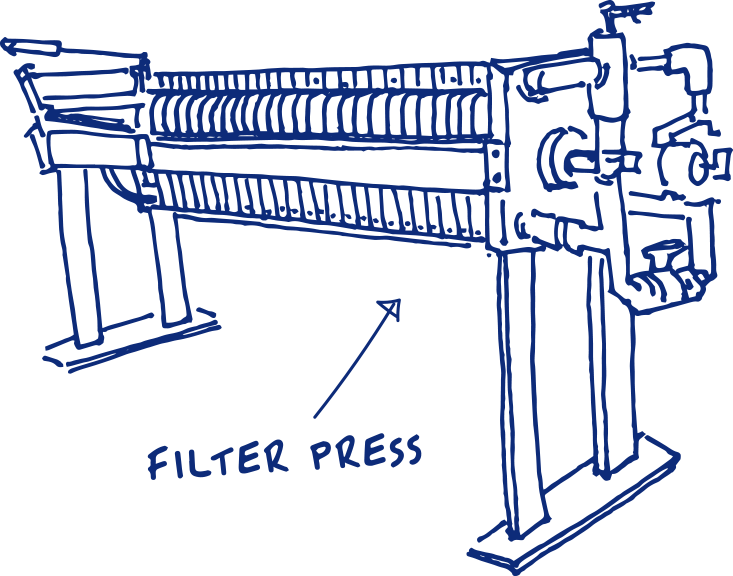
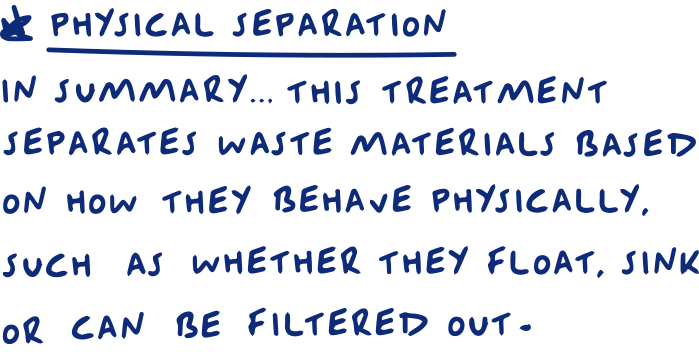
Physical separation is commonly used as an initial or pre-treatment step to reduce the contaminant load before more advanced treatment processes. It uses differences in density, particle size and buoyancy to separate materials such as solids and oils without chemically changing the contaminants. This process is commonly applied to waste streams such as:
Oily water
NDD (Non-Destructive Drilling) waste
Heavy sludges
The separated solids, oils and liquids can then be directed to further treatment, recovery or disposal.
Advanced Oxidation Process
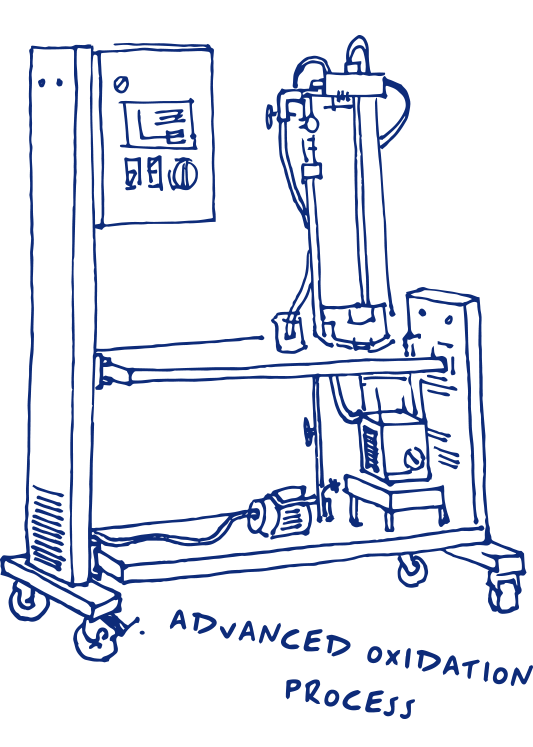
AOP can be used to treat hazardous waste streams containing:
Pesticides
Phenols and phenolic compounds
Other persistent organic contaminants
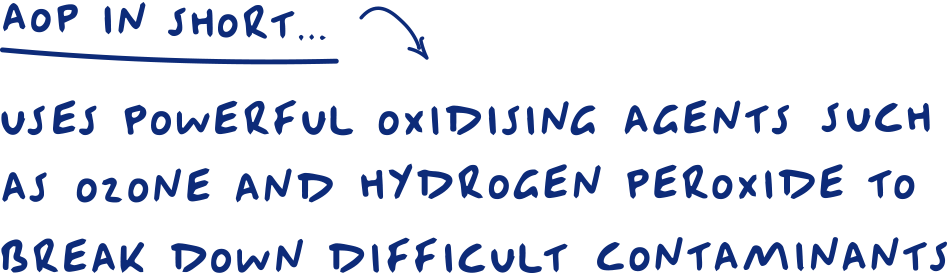
The process generates highly reactive oxidising agents, such as hydroxyl radicals, often using hydrogen peroxide or ozone, with UV light or other treatment methods to enhance the reaction.
Unlike separation processes, AOP chemically breaks down contaminants into simpler compounds and, where conditions allow, ultimately into carbon dioxide, water and inorganic by-products. This makes AOP a versatile treatment option for persistent or difficult-to-treat organic contaminants, particularly where conventional treatment methods may be less effective.
Neutralisation
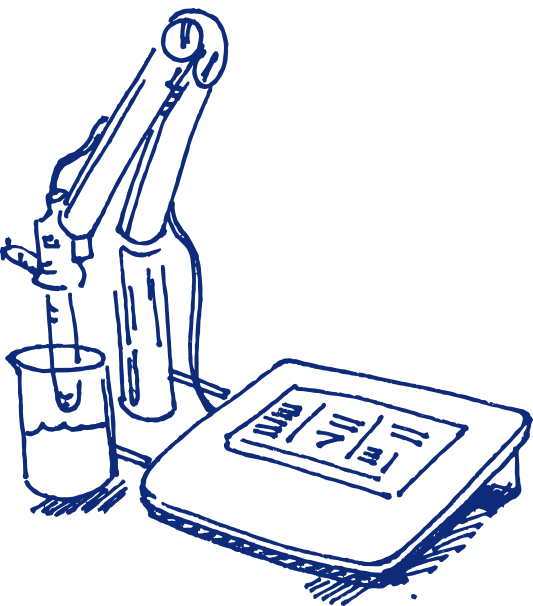
Neutralisation can be used to treat waste streams such as:
Hydrochloric acid
Sulphuric acid
Nitric acid
Potassium hydroxide
Sodium hydroxide
Sodium hypochlorite (bleach)
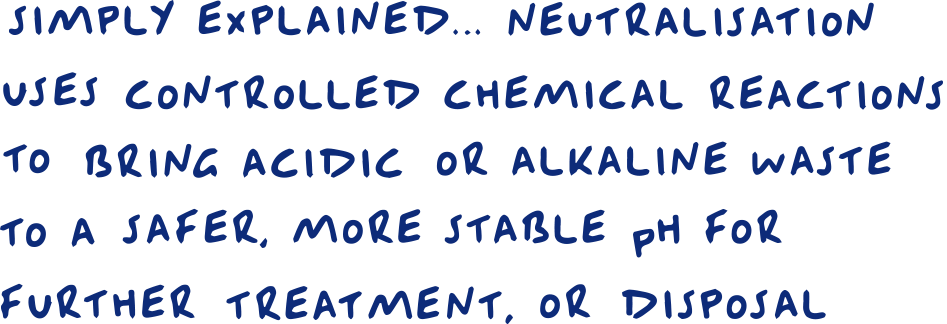
The process involves carefully adding an acid or alkaline chemical to adjust the waste to the required pH. This reduces the corrosive nature of the waste and makes it safer to handle and suitable for further treatment.
Once neutralised, the waste can undergo additional treatment or, where appropriate, be discharged or disposed of in accordance with relevant requirements.
Neutralisation is commonly used for acidic and alkaline hazardous waste streams, helping reduce their corrosivity and making them safer to manage.
Recycle
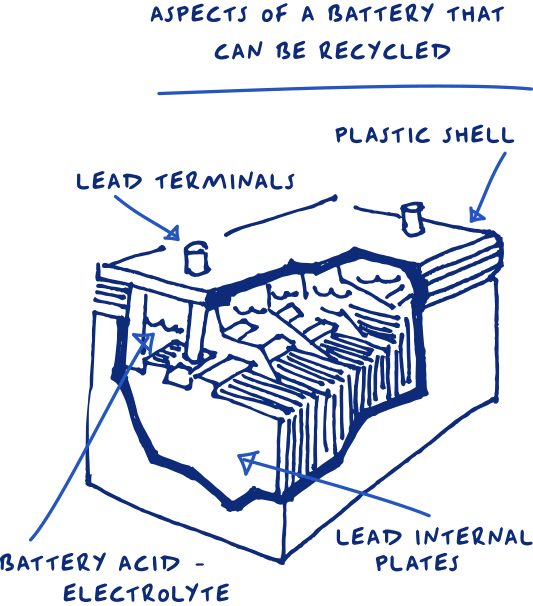
In simple terms: Recycling hazardous waste means recovering useful materials from waste so they can be reused, rather than simply sending them to landfill or disposal.
Examples of waste types for recycling are:
Lead-acid batteries
Used oils
Solvents
Metals and metal-containing waste
Other recoverable hazardous materials
Where suitable, hazardous waste is processed to recover valuable materials or components. For example, lead-acid batteries can be processed to recover lead, plastic and other materials for reuse.
Recycling helps keep materials in the loop, reducing the need for new raw materials and minimising the amount of hazardous waste requiring final disposal.
Where recycling is not possible, the remaining waste can be directed to an appropriate treatment or disposal process.