
What Do You Do With Unknown or Unlabelled Chemical Waste?
An old drum turns up during a shed clean-out. An IBC has been sitting in the corner of the yard for years. The label has faded, the person who knew what it was has left, and nobody currently onsite can confidently say what is inside.
What do you do?
Fortunately, you don’t need to identify the material yourself before asking for help. Start with what can be safely observed and documented. From there, the waste can be assessed to determine whether further investigation is needed.
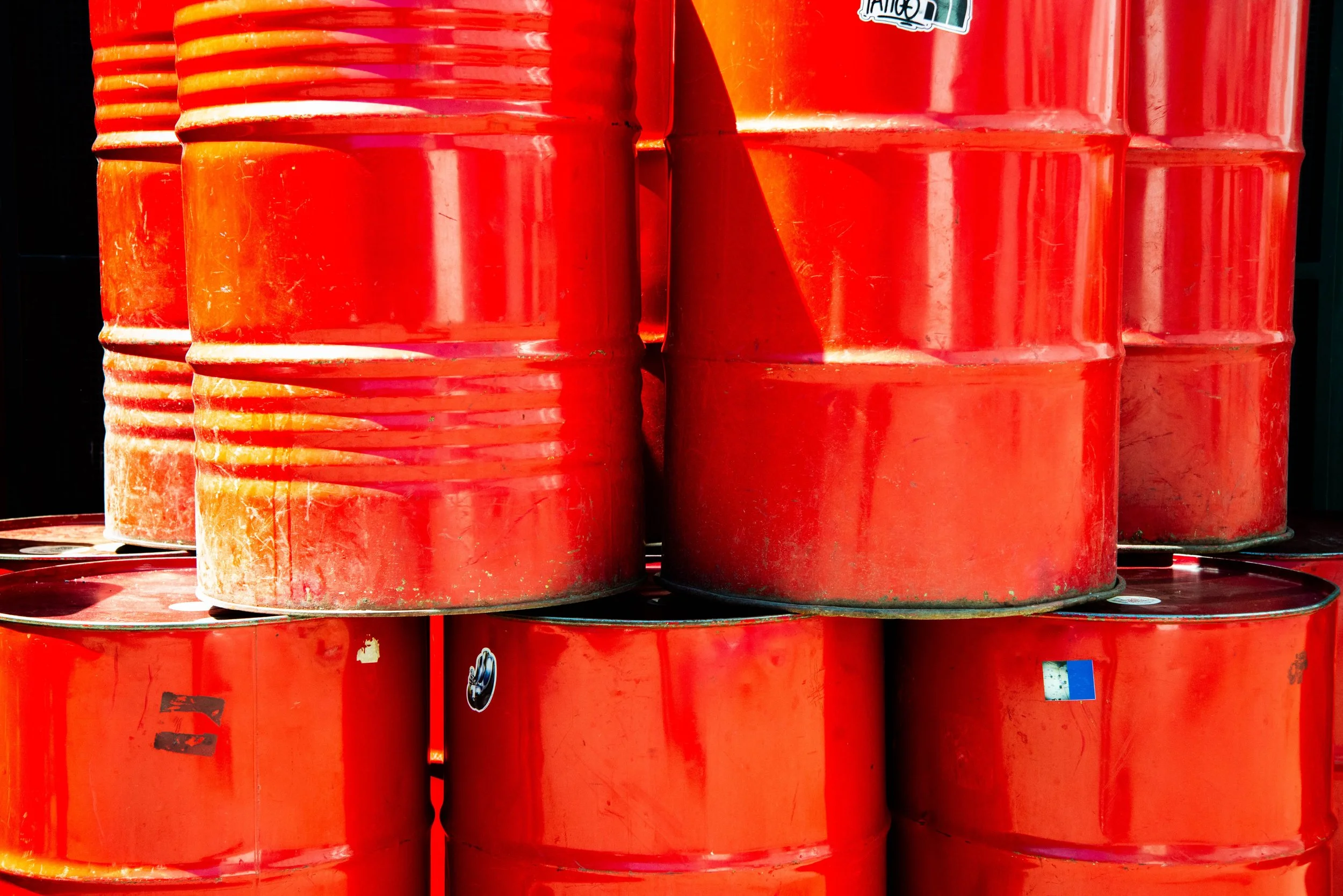
A missing label doesn’t mean there are no clues
When we assess unidentified chemical waste, we look beyond the obvious label.
There may still be markings, stamps, or remnants of product information on the container. Some cylinders, for example, carry identifying information embossed into the metal even when the main label is missing.
Information about where the container was found can also help. Something sitting beside a particular process, in an old chemical store, or in a workshop with a known history gives us context that the container alone cannot provide.
No single clue has to provide the answer. We look at the information together to narrow down what the material may be.
What information should you provide?
Start with the information you already have, and think a little more broadly than just labels.
| Information | Why it helps |
|---|---|
| Photos of the whole container | Shows its type, condition and visible features |
| Labels, markings or embossing | May provide product or chemical clues |
| Where it was found | Managed by the broker |
| Site or process history | Can help narrow down possible origins |
| Existing records, SDSs, or previous assessments | May answer questions that would otherwise need further investigation |
| Container type and approximate quantity | Practical information needed for assessment and collection |
Information from current or former staff who know the site can also be useful, particularly where formal records are incomplete.
If something is unknown, say so. That is better than filling the gap with an assumption.
Does unidentified waste automatically need laboratory testing?
No.
The information already available may be enough to narrow down what the material is and determine whether anything further is required.
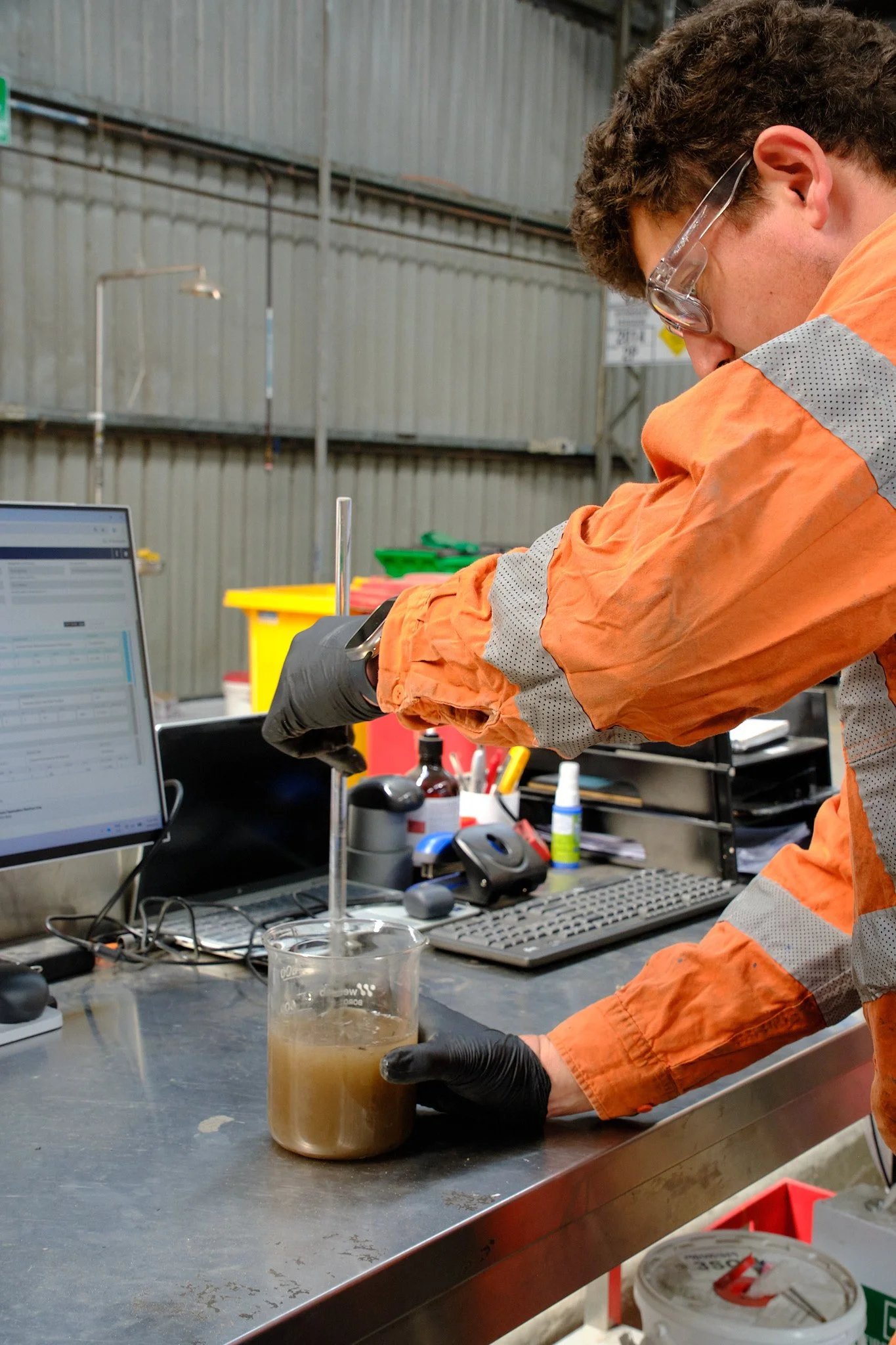
If there are still important gaps, further assessment may include sampling or analytical testing. However, not every waste stream needs every stage of investigation. The point of testing is to answer any outstanding questions, not to test everything simply because a label is missing.
In one example, a customer had three IBCs and no-one could tell us confidently what was in them. In this case, one of our chemists attended the site, took samples, and we used an external laboratory to determine a specific contaminant concentration needed for the assessment.
Don’t investigate an unknown chemical by handling it yourself
If a drum or container can’t be identified, don’t open it, mix it with anything else, or otherwise handle it simply to find out what is inside.
Need to get unidentified waste off site?
If you’ve found an unidentified drum, IBC, or other chemical waste and need to get it off site, send us photographs and whatever background information you have.
We’ll go through what you have, let you know if anything else is needed, and work with you to plan the collection.
